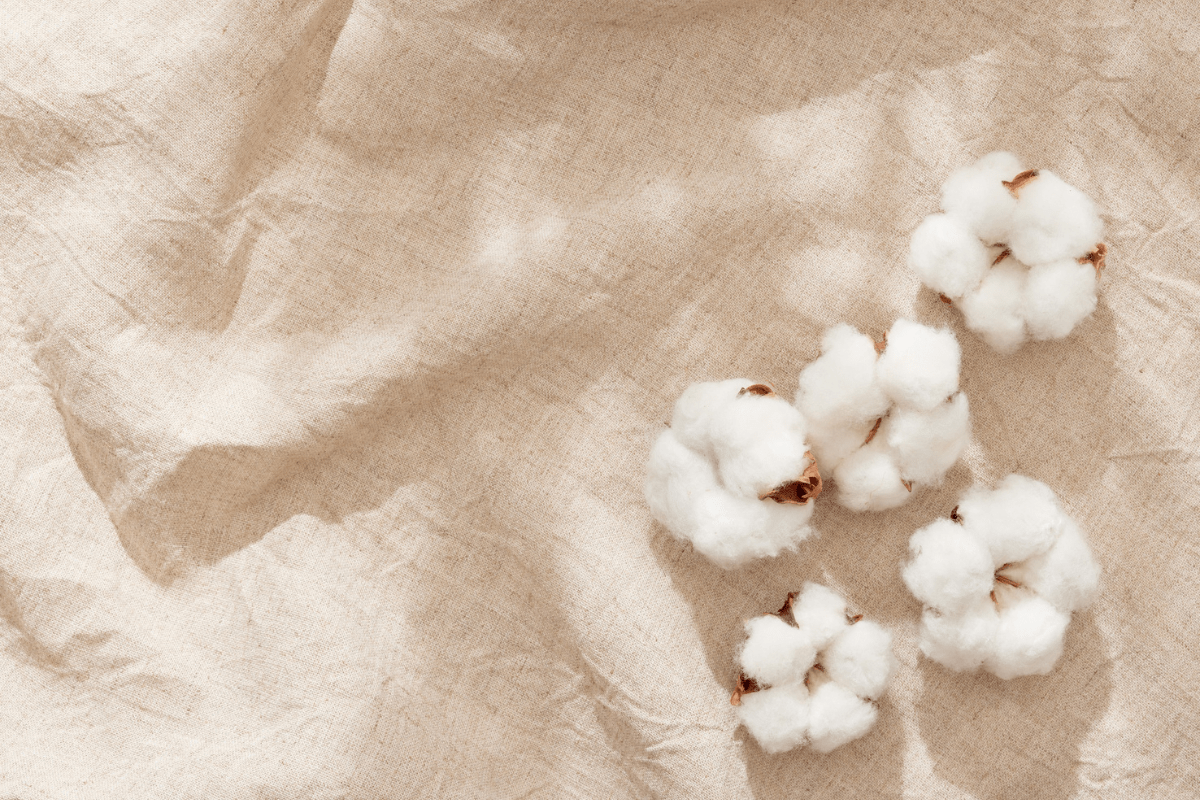
Cotton is one of the raw materials (yarn!, I will never tire of saying it: the raw material is the yarn, not the fabric) most used in the clothing sector. Even today, unfortunately, this nice ball is considered by most to be an ecological raw
material.
But information grows, and the consumer is informed.
A Bit of Data on Cotton
So back in 2005, the Better Cotton Initiative (BCI) was introduced. The idea was to promote cultivation practices to reduce the use of harmful substances for cotton cultivation.
In 2021, however, we discover that only 20% of the cotton grown globally worldwide is BCI certified. However, there is another even more alarming fact: even that 20% is not necessarily really sustainable (the standard does not impose a restrictive and mandatory threshold on the use of pesticides). In fact, the Textile Exchange report shows that BCI-branded cotton uses pesticides up to
67%.
On the other hand, it is true that the BCI certification imposes a ban on the use of fertilizers (at least that…) and a ban on the use of GMO seeds.
If we think of the billions of garments produced in the world using BCI-certified cotton, we can easily imagine the amount of fertilizer we are wearing.
I have always repeated, a certification is not the solution to all ills, until there is a real awareness and a real will to produce with a new and far-sighted philosophy.